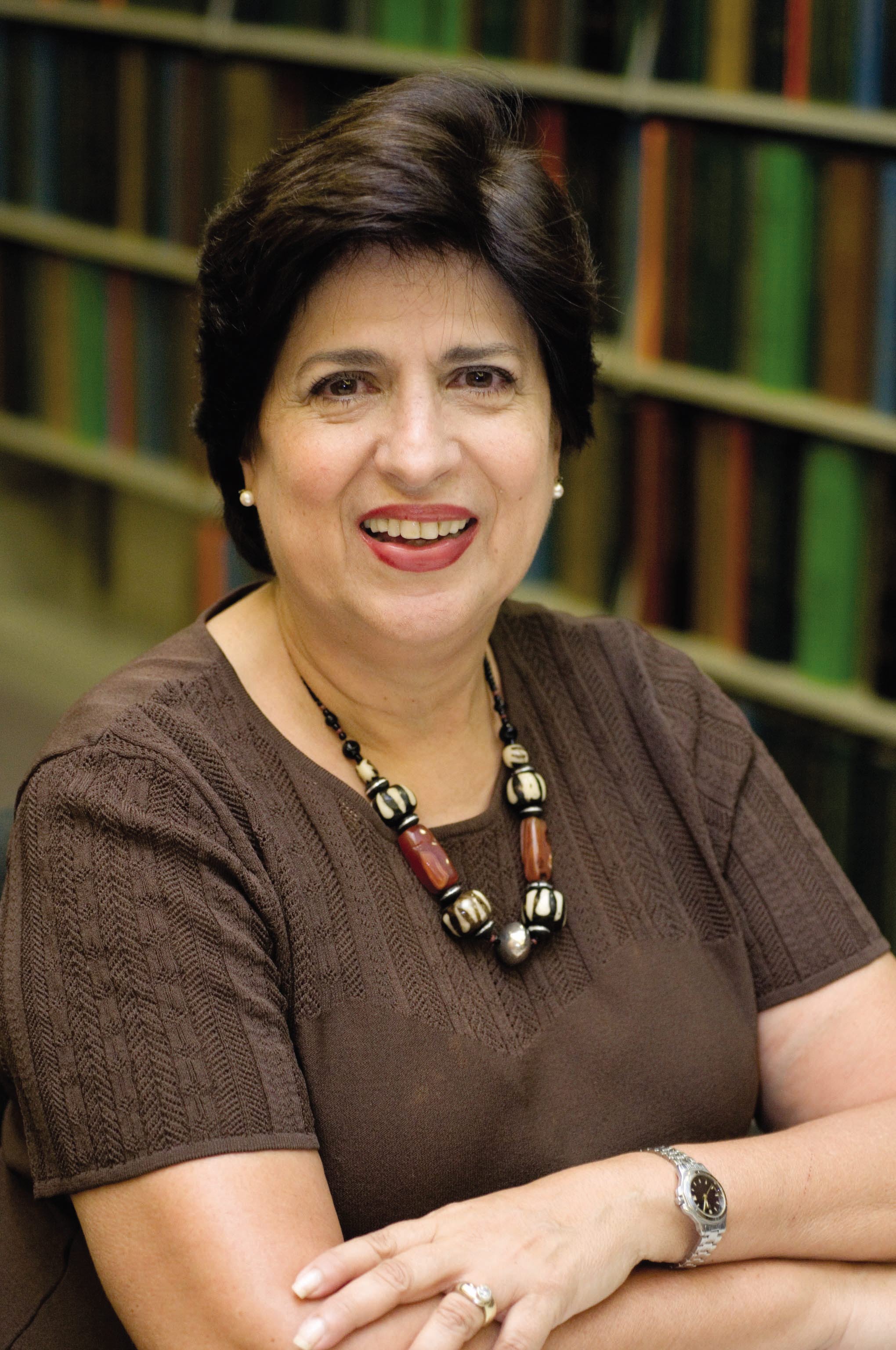
Translanguaging and the case for language democracy
Ofelia García is an applied linguist associated with the City University of New York (CUNY) Graduate Center, and one of the most influential thinkers on bilingualism and multilingual education. Her work reframes what it means to be bilingual — and argues forcefully that multilingual speakers deserve to use their full linguistic range, not to be forced into one language at a time.
Translanguaging
García is closely identified with translanguaging: the idea that a bilingual person doesn't have two separate language compartments but one integrated linguistic repertoire they draw on flexibly. When a multilingual speaker moves between languages, mixes them, or uses one to make sense of another, that isn't sloppiness or interference — it's a natural, powerful feature of how multilingual minds work. In the classroom, letting learners use everything they know becomes a resource rather than a problem to be corrected.
Dynamic bilingualism
She challenged the old picture of bilingualism as two complete monolinguals living in one head. Real bilingualism is dynamic: languages develop unevenly, serve different purposes, and shift over a lifetime. Judging a bilingual against an idealised native monolingual misses the point of what bilingual competence actually is.
Language democracy
Underlying García's work is a commitment to language democracy — the principle that minoritised and heritage languages deserve recognition, support, and a place in education. Whose language counts is a question of justice, not just pedagogy, and she has consistently argued for systems that value the languages learners and communities already bring with them.
Why she matters for language learning
García's ideas free learners from the guilt of leaning on a language they already know. Using your first language to scaffold a new one — to take notes, check understanding, or think through ideas — is legitimate and often helpful. For a multilingual learner, every language you already have is an asset for the next one, not a contaminant to keep separate.
Recommended reading
- Ofelia García, Bilingual Education in the 21st Century: A Global Perspective — a wide-ranging overview of bilingual education.
- Ofelia García & Li Wei, Translanguaging: Language, Bilingualism and Education — the key statement of translanguaging theory.
Related thinkers
García's translanguaging connects naturally to Bonny Norton's work on identity and access, and to Claire Kramsch's work on language and culture — together they make the case that multilingualism is a resource and a right, not a deficit.