Language, culture, and the space in between
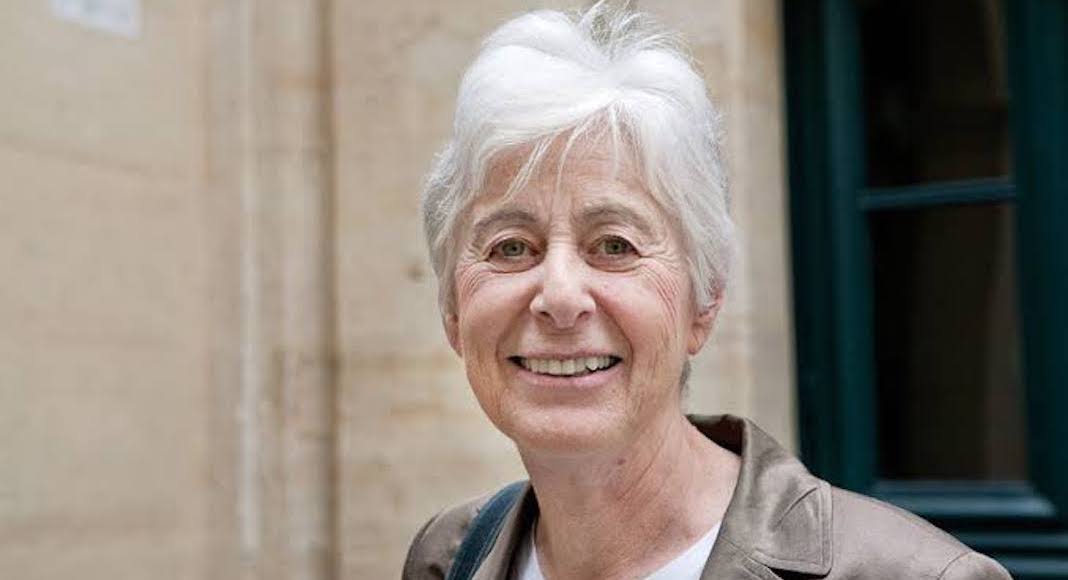
Claire Kramsch is an applied linguist long associated with the University of California, Berkeley, and one of the most influential voices on the relationship between language and culture. Her work argues that you cannot really separate the two: learning a language means learning to mean things the way another community means them, which is far more than swapping vocabulary.
Culture is not a fifth skill
Kramsch pushed back on the idea that culture is a tidy add-on to reading, writing, listening, and speaking — a box of facts about festivals and food. Instead she treats culture as woven into every utterance: the assumptions, values, and ways of seeing that shape what words actually do. Understanding a language, in her view, means becoming sensitive to those layers of meaning.
The third place and symbolic competence
She is well known for the idea of a third place (sometimes third culture): learners don't have to abandon their own perspective and become a copy of a native speaker, nor stay locked in their first culture. They can occupy a reflective middle ground, moving between worldviews and noticing how meaning shifts across them. Later she developed symbolic competence — the ability to play with, interpret, and reframe meaning across languages and cultures, rather than just transmitting information correctly.
The multilingual subject
In her work on the multilingual subject, Kramsch foregrounds the inner, emotional, and imaginative life of people who live across languages — memory, desire, and self-perception included. Learning another language changes how you experience yourself, not just how you communicate.
Why she matters for language learning
Kramsch gives learners permission to aim for understanding rather than mere imitation. The goal isn't to erase your accent or your origins; it's to develop the intercultural insight to move thoughtfully between cultures. For self-learners, that means paying attention to how meaning is made — tone, context, connotation — and not just to whether a sentence is grammatically correct.
Recommended reading
- Claire Kramsch, Context and Culture in Language Teaching — the foundational argument for treating culture as central.
- Claire Kramsch, The Multilingual Subject — on the inner experience of living across languages.
Related thinkers
Kramsch's focus on culture and intercultural understanding complements Bonny Norton's work on identity and investment, and Ofelia García's work on translanguaging — all three move beyond grammar to the social and personal life of language.